
Pets cause a lot of damage to flooring, way more than humans ever do. From scratches to stains, and hair, our furry friends can be problematic. When thinking about replacing your flooring, there are a few things to consider.
Resistance to scratches.
Some dog breeds have long, sharp nails than can easily damage flooring, especially when the puppy is playing. The perfect floor will have a high level of resistance to scratching damage.
Stain Resistance
For pets that haven’t been house broken especially, it is important to have a floor that doesn’t stain easily. Even house trained pets make the occasional mess, and so it is always important to keep a stain resistant floor, no matter the age of the pet.
The comfort and safety of the pet
This is overall most important for most pet owners. Some floors offer very little traction, which could cause slipping and sliding of your pet, which can cause injuries.
With those things in mind to remember, here is a list of some common flooring options, noting their downsides and upsides.
- Bamboo Flooring
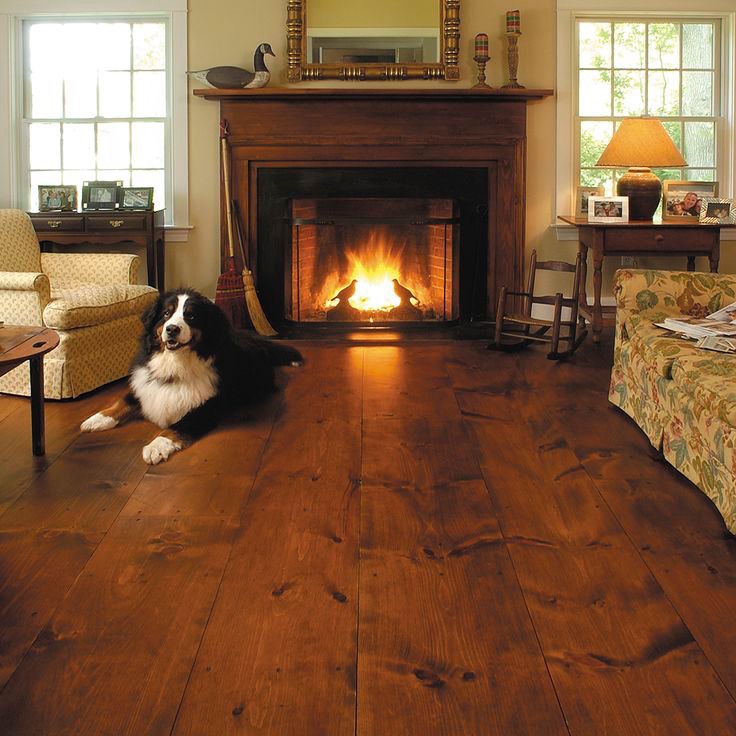
There is a lot of debate about bamboo flooring and pets. Bamboo is a tough, hard flooring material, it doesn’t do overly well with scratches. Many home owners complain that after a year or two of bamboo, their floors are full of scratches and dents. It is even worse in homes with big pets, such as Great Danes. The best part of bamboo flooring is its resistance to staining and ease of cleaning. Bamboo flooring is also very eco-friendly and easy on the environment. This doesn’t make up for the scratches though, so unless your pet is a cat, goldfish, or parrot, there are better options. 
- Vinyl Flooring
Vinyl is one our top recommendations for homes with pets. Vinyl is highly scratch resistant, even for dogs that tend to grow long nails. Vinyl is also stain resistant. Messes, such as urine or spills from water bowls can be cleaned up easily and quickly with a paper towel. Vinyl is also good for your pet’s safety and comfort, it is comfy to walk or lay on, but it also provides a significant level of traction during movement, reducing the risk of your pet slipping on the floor and sustaining injury.
- Laminate Flooring
Laminate is one of the most recommended flooring options. Homeowners who use it report being pleased with the strength and ability to resist scratching from canine claws. Most laminate floors are designed to resemble wood or, sometimes, stone flooring. However, inside, laminate is comprised of synthetic material. This flooring looks like nice, expensive hardwood, without the downsides. Laminate is easy to clean and rarely stains.
However, laminate does come with a list of downsides that you should know. It can get damaged from frequent spills. The spill gets into the spaces between the planks, causing damage. Overtime, you might have to replace the entire flooring because of this damage. Laminate also tends to be extremely smooth, which makes it difficult for pets to walk on. Extra active dogs can easily slip and get hurt. This is more likely to happen with the high gloss laminate floors with a smooth finish, instead, look for flooring that has an embossed or textured finish. Although, it won’t as much traction as carpet or vinyl, a textured finish will provide some traction for your pets.