
Every other house in Regina is planning a new floor upgrade. The winters here are long and dry, and summers are too humid. In all flooring projects, one common mistake that most people make is not buying enough flooring. It can have hefty consequences. That’s why today we’re tackling an important question: how much extra flooring should I buy?
Here, you’ll see information which we’ve gathered from the experts at Flooring Regina.
Why Do You Need Extra Flooring?
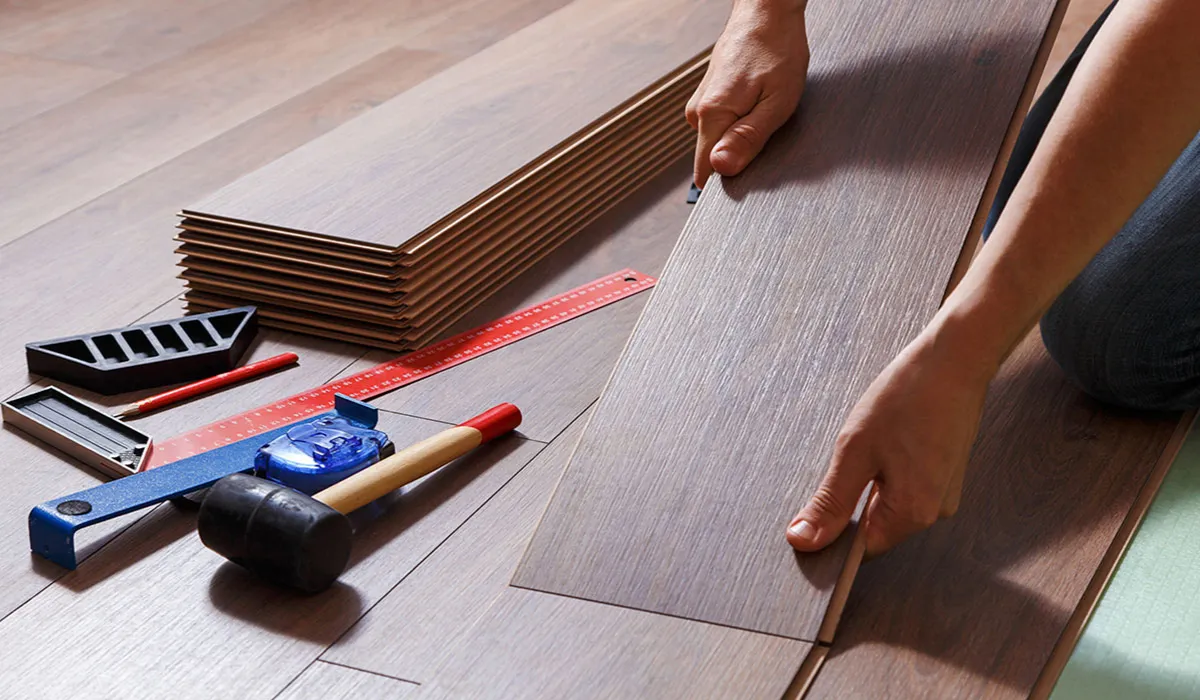
You can have pinpoint measurement skills and calculations. Even after doing all that, you should still buy extra flooring. You’ll get cutting waste when you cut boards or tiles. Which means the trimming will leave you with a lot of leftover pieces you can’t even use.
Moreover, installation mistakes are quite common, even with professionals. If you keep extra material, you can use it for future repairs.
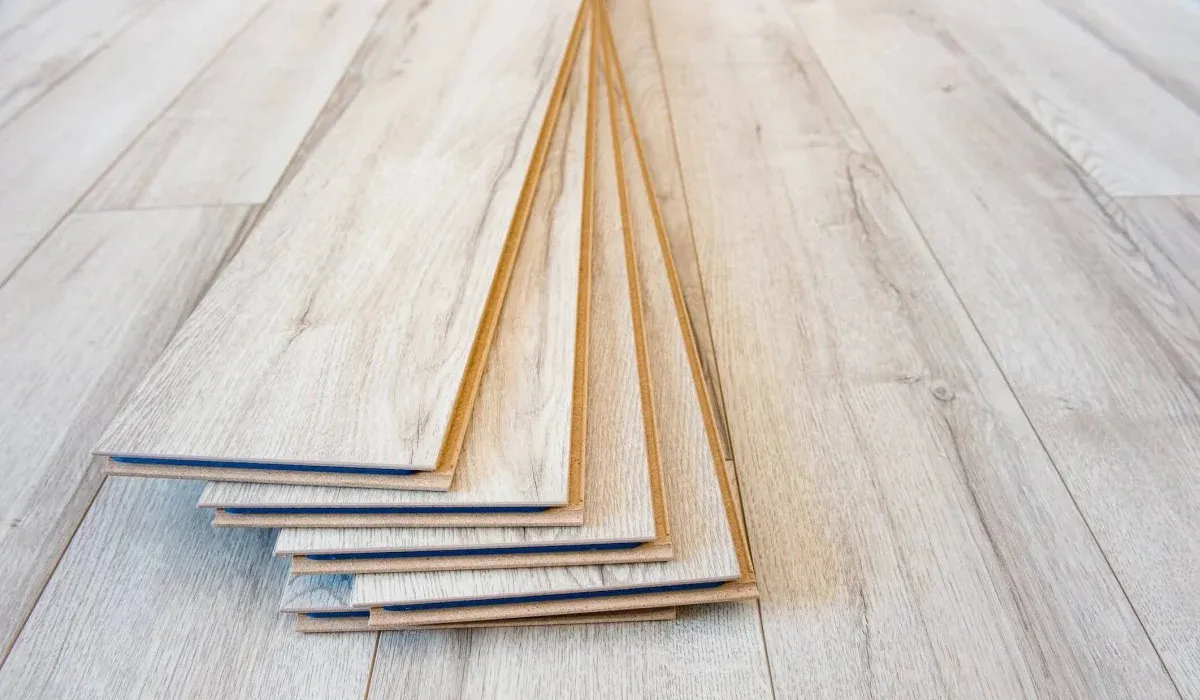
Colour variation is another consideration, especially with materials like hardwood or tile. This can show slight differences in the shade of the floors.
How Much Extra Flooring Should I Buy?
This depends on a few factors: the type of flooring, the size and shape of your space, and how it’s being installed. But here’s a basic guideline:
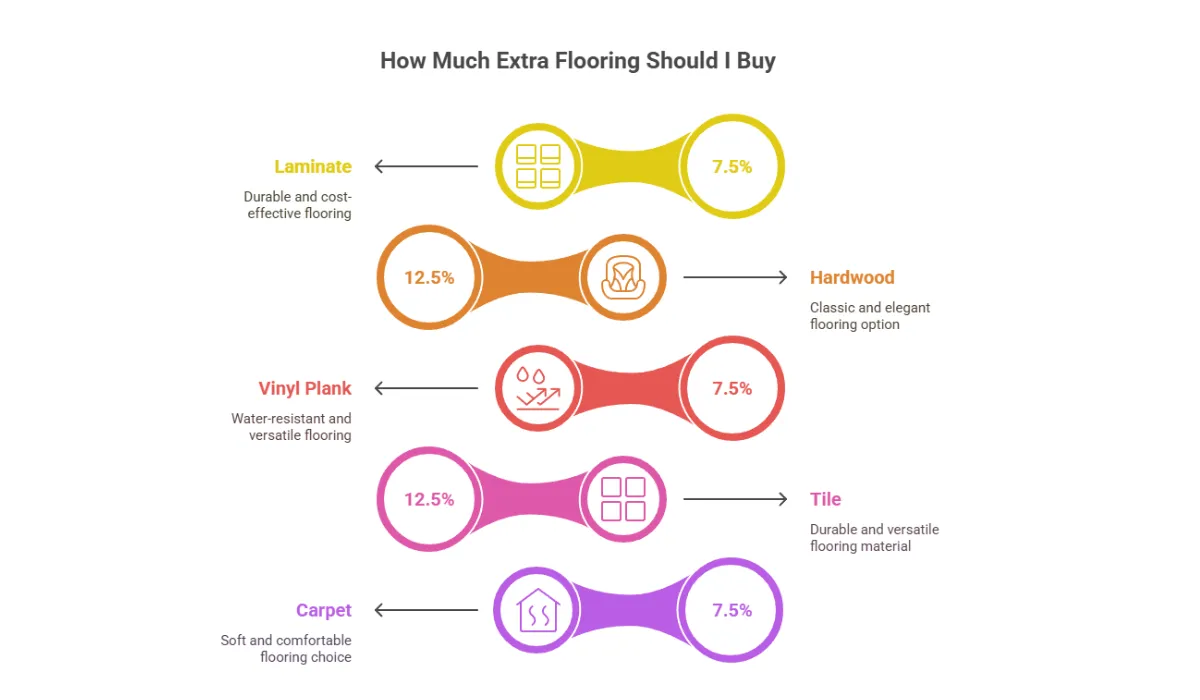
Stick with 5% if you’re working with a simple, square room and a straightforward installation.
Go up to 10% or more if you have multiple rooms or have rooms with diagonal patterns. You’d also need 10% or more with hallways, closets, and angled rooms.
So, how much extra flooring should you keep? If you consider the minimum, store a few space boxes first. If it’s hardwood or tile, 10% is a safe bet.
How Much Extra Flooring for Tile Projects
Tiles need special attention. They are fragile and much more difficult to cut precisely. Which means, waste can be much higher. Professional contractors recommend at least 10–15% extra for tile floors.
So, if you’re asking, how much extra floor tile should I buy- the answer depends on your layout. If you have a complex design, you’ll need more extras. With smaller tiles, cuts are more frequent, too. In such cases, lean toward the higher end of that range.
Also, certain tile patterns (like mosaics or herringbone) involve more offcuts and precision, so your waste factor will go up.
How to Measure and Calculate Before You Buy
Before you buy any kind of flooring, follow these simple steps:
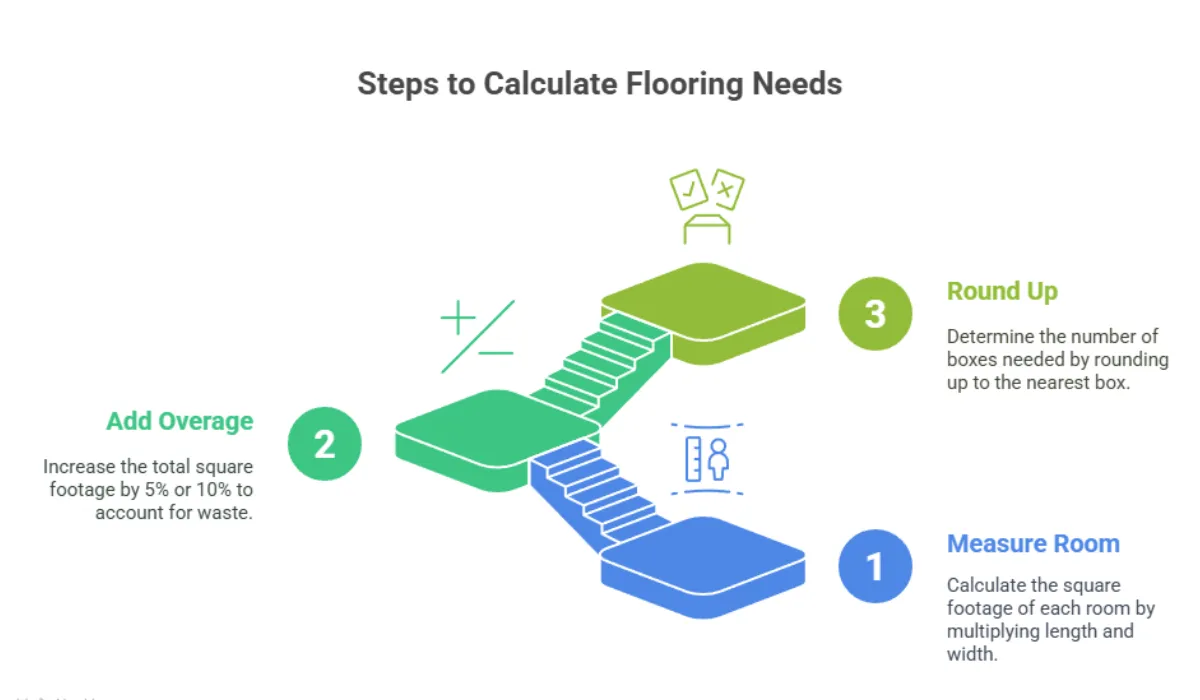
And if you ask how much extra flooring should I order? This method makes it easy to calculate. Remember to round up and take your installation pattern and waste into account.
Local Tip: Flooring in Regina
In Regina, flooring needs extra attention due to extreme weather changes. It’s a good idea to let your flooring material acclimate for a few days before installation. For wood or vinyl, this helps reduce expansion or contraction.
Plus, many Regina flooring suppliers offer a return policy for unopened boxes. Just be sure to confirm the return window before purchasing.
Final Thoughts: Plan Ahead with Extra Flooring
To sum up, running short on flooring mid-project is frustrating, costly, but avoidable. When you’re asking, how much extra flooring should I buy, remember to consider the room shape, material type, and your installation plan.
A good rule of thumb is to add 5–10% extra for most flooring types. And bump that up for tiles or tricky layouts.
If you’re unsure of how much you might need, talk to professionals for an inspection. You’ll save time, money, and a whole lot of stress by planning ahead.